Bent Creek
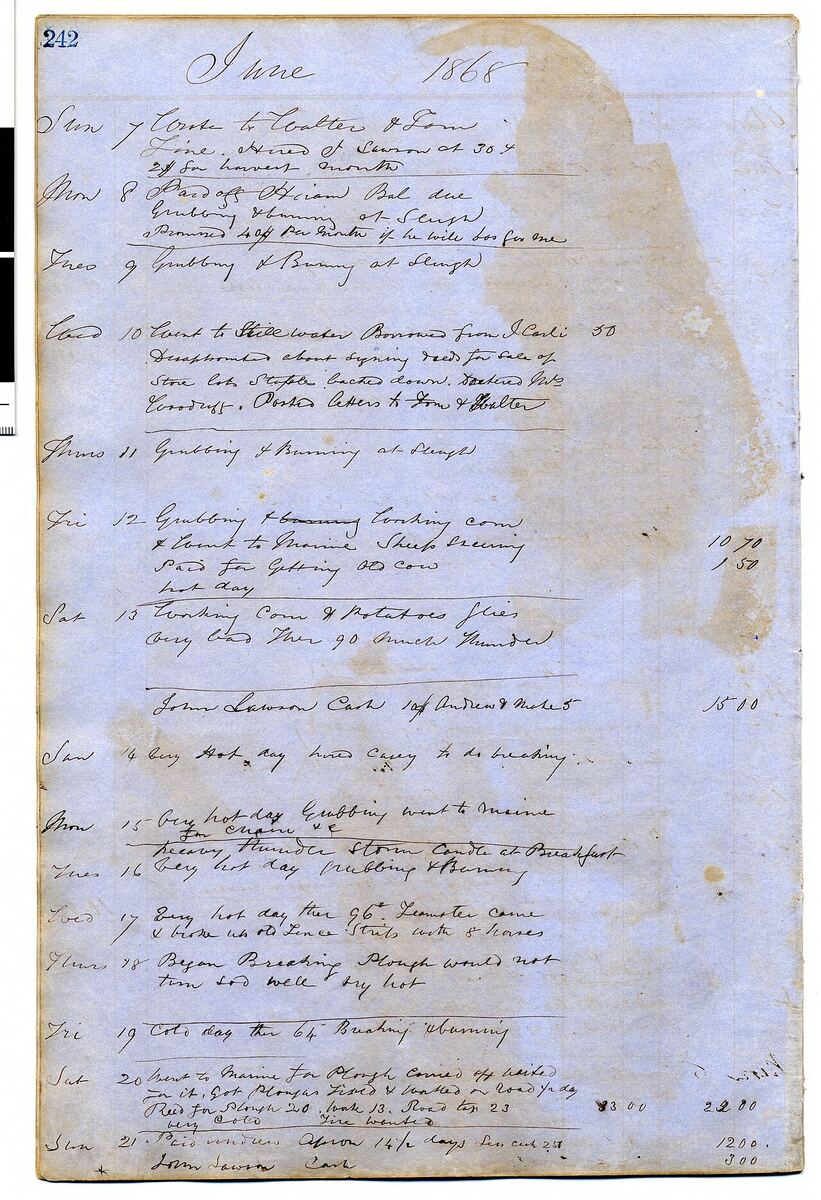
Walt Harmon farmed sixty acres on Bent Creek for fifty-odd years with a hardback shop ledger where every number on the place lived — calories to the square foot, the cellar’s January readings, the ram pump’s gallons a day, what the hail year cost. He wrote things down because, as he put it, a number you remember is a rumor. He left the ledgers, a gear-drive tractor older than his son, and a farm that still worked.
Cal Harmon is his grandson — an industrial electrician who came back to the place in his thirties. He priced the dealer’s autosteer at five figures plus a subscription, laughed once, and built his own from the ledger outward. The guide is his notebook: turning Walt’s numbers into sensors and motors, and finding out, page by page, that the old man had already automated half the farm with gravity, slope, and thermal mass. The ram pump has been thumping since before Cal was born.
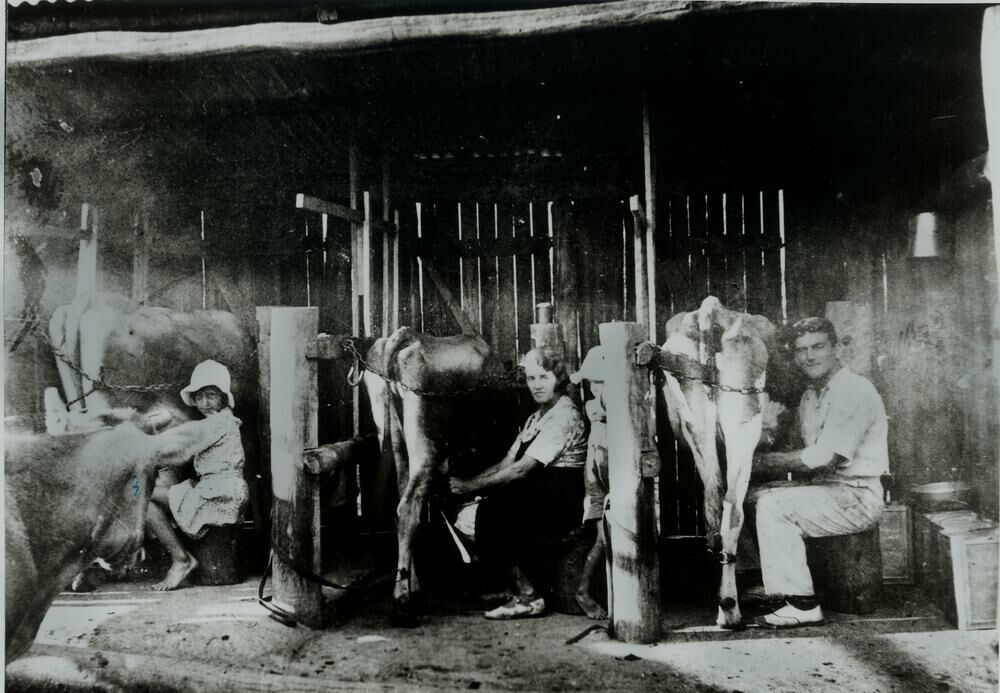
June Harmon runs the growing side and supplies the skepticism: every gadget on the place has to beat the pencil or it comes off the wall.
Roy Pruett, the neighbor, is a good farmer with better equipment. His commercial system is genuinely excellent. He just doesn’t own it — the display is leased, the signal is a subscription, and the spring his license lapsed during planting is a story Cal tells gently, because it could have been anybody. The argument of this whole thing isn’t that Roy was foolish. It’s that ownership was on the table the whole time, for a tenth of the money.
Bent Creek is a story. The numbers are real — researched, sourced, and tested, and every chapter names its own limits.