Free tool
The February Pencil
A garden gets decided in February, planted in May, and eaten in January — and only one of those three is any fun. This is the February part: how many days of your household’s eating do you want out of the ground, and what has to be true for that to happen.
The February Pencil — your page151-day season
4 people × 60 days × 12 sq ft2,880 sq ft planted
Inside the fence, once paths take their third4,320 sq ft
Seed & sets to put it in$144–336
Food out, a fair year1,606–2,915 lbs
What the store would charge for it$1,152–1,920
Where the ground goes
Filled from the top of the calorie list down, the way a feeding garden is planned.
| Crop | Square feet | Pounds, fair year | Still food in January? |
|---|---|---|---|
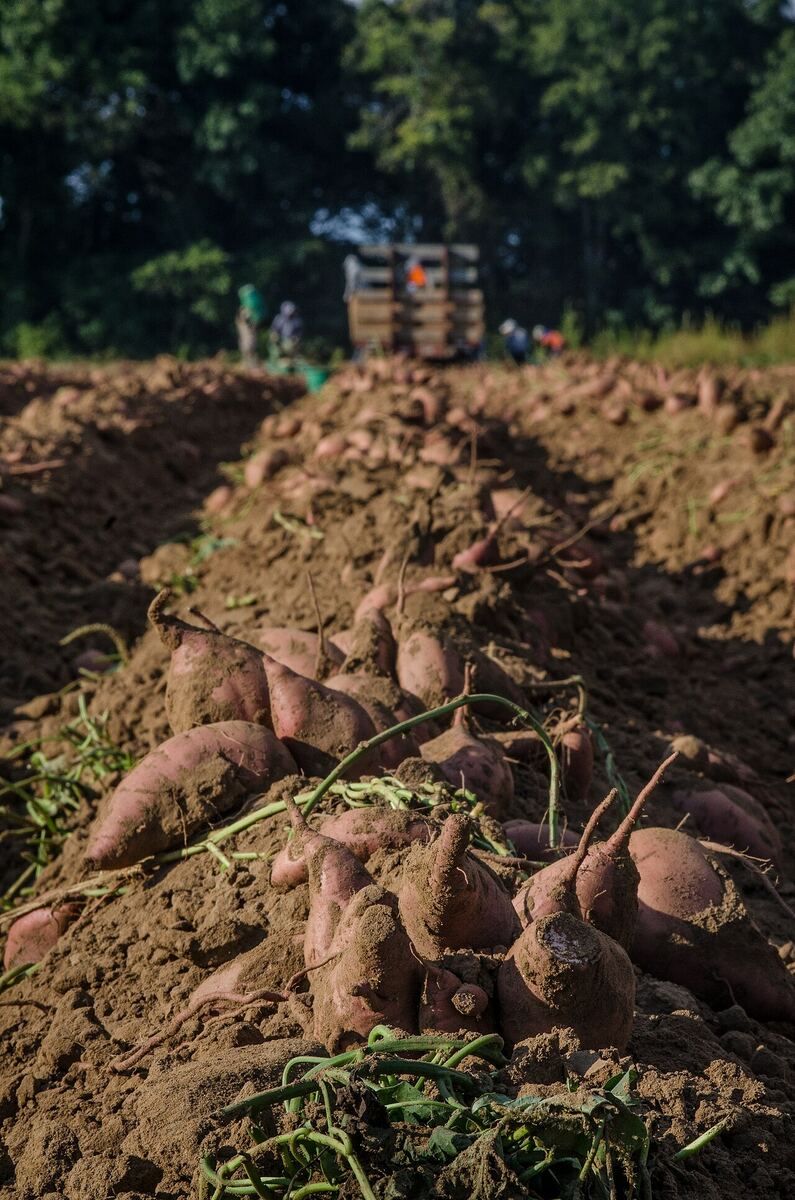
| Potatoes | 864 | 518–1,037 | root cellar into spring |
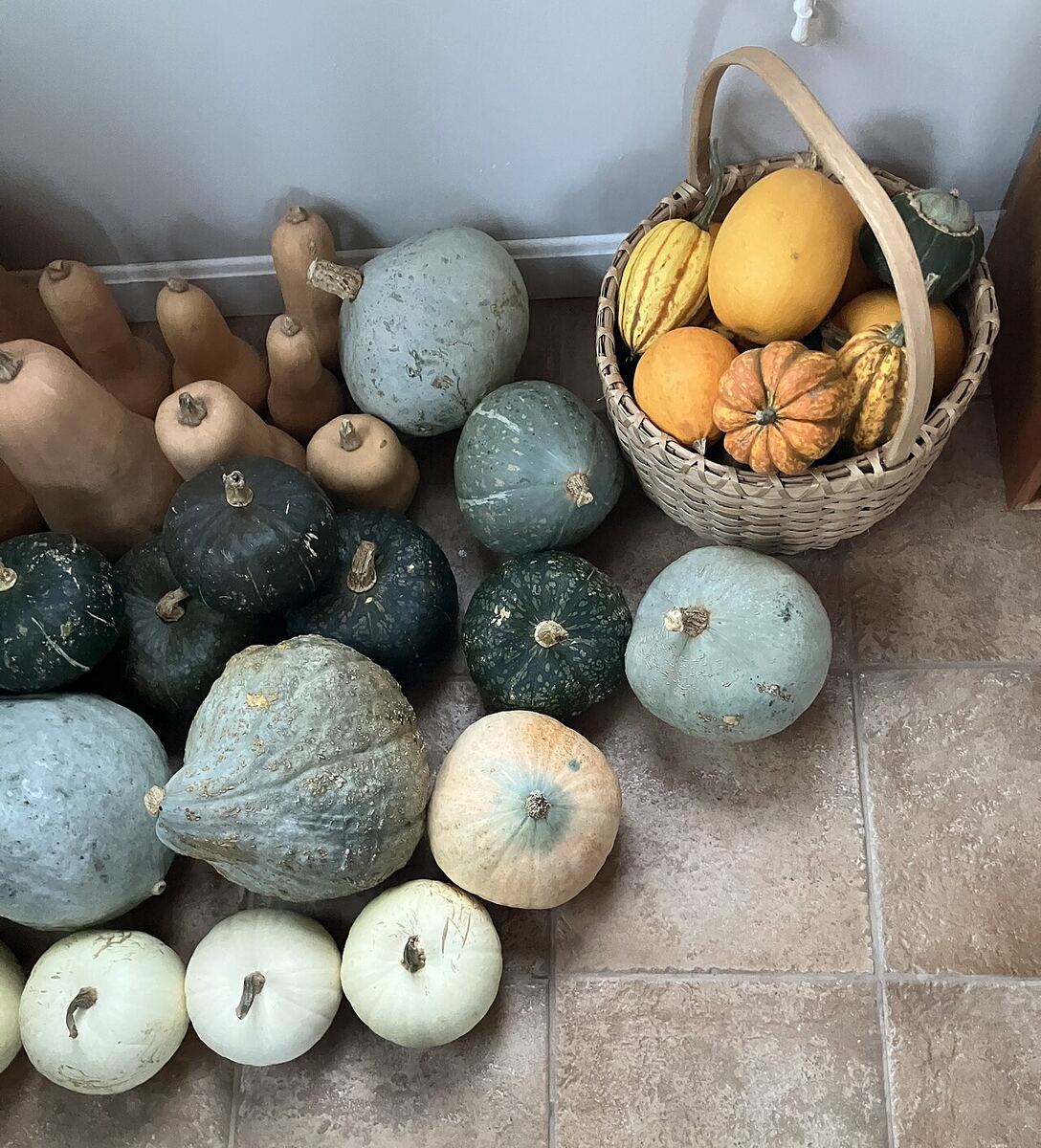
| Winter squash | 432 | 259–432 | cool room to February |
| Roots (carrot, beet, turnip, parsnip) | 432 | 259–432 | cellar to March |
| Dry beans | 432 | 22–35 | pantry — years |
| Cabbage | 288 | 374–634 | cellar heads & kraut crocks |
| Onions (from sets) | 144 | 86–115 | to midwinter |
| Fresh eating (lettuce, cukes, peppers…) | 288 | 86–230 | eat it now — none of it is January food |
When it goes in
Counted off your frost dates, not off a calendar month.
| Crop | Date | The rule |
|---|---|---|
| Seed potatoes | April 19 | 3 weeks before last frost — soil at 45–50° four inches down |
| Cabbage transplants | April 26 | 2 weeks before last frost — it shrugs at a light one |
| Winter squash | May 24 | after the soil passes 60° |
| Dry beans, last safe sowing | June 15 | 100 days to maturity + drying on the vine before fall rains |
| Fall roots, second sowing | July 26 | days to maturity + 14 — September daylight slows everything |
Tape it where the seed catalogs land. Next February you’re not guessing — you’re correcting.