Autofarmation.
Field ledger · first entry

The small farm can run itself. The price tag was the lie.

Autofarmation is a guide for the little guy the precision-ag industry skipped: how to put GPS steering on any tractor, move water with no power, plan a garden by the numbers, and keep a cellar that watches itself — with parts you own and can fix.

Or read a full chapter free — the $12 sensor that guards a freezer full of beef.

Autosteer, two waysOct.
Dealer retrofit kit, installed$5,000–18,000
Correction signal, every year$600/yr
Unlock fee when you change tractorsask the dealer
The same job, built from this guide≈ $1,200
Subscriptionnone, ever

Open-source autosteer (AgOpenGPS) + a receiver accurate to about an inch. Every part listed, every wire shown. You own all of it.
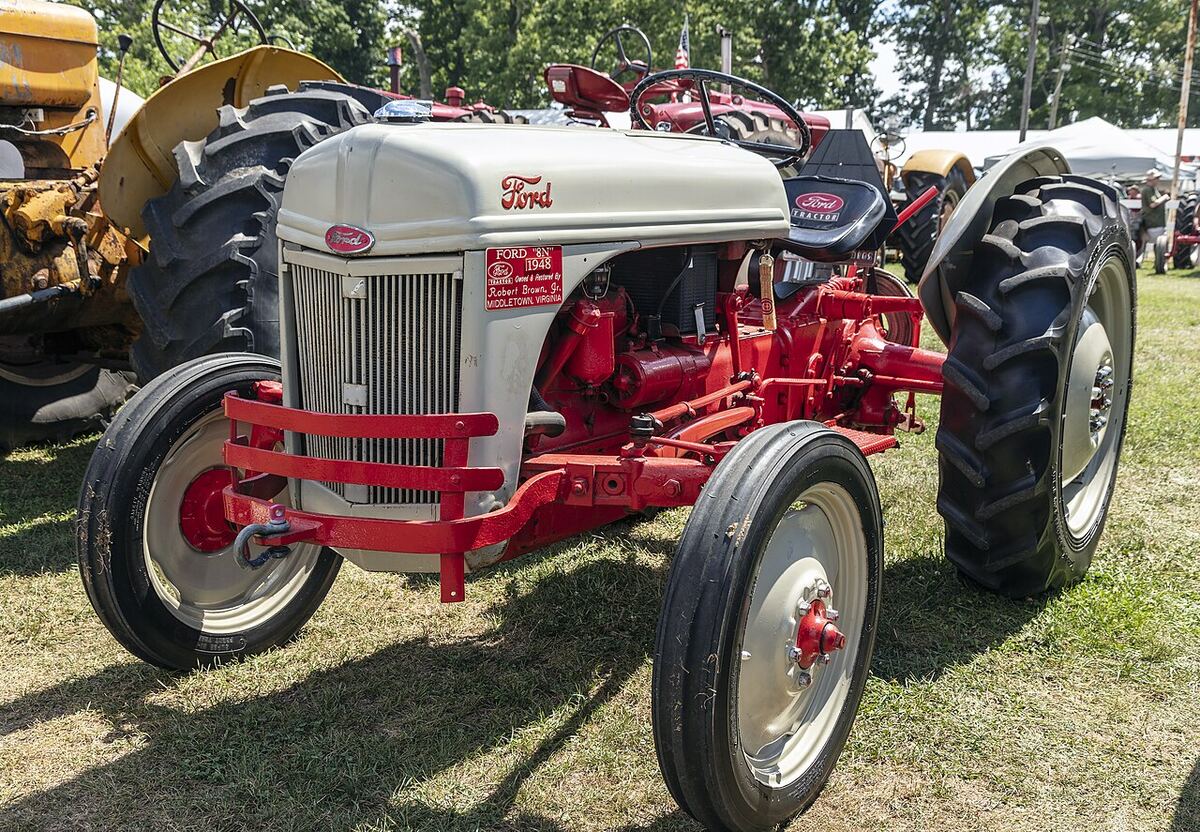
A restored 1948 Ford 8N tractor
Plate I The iron — a 1948 Ford 8N. No screen in it. Steerable.
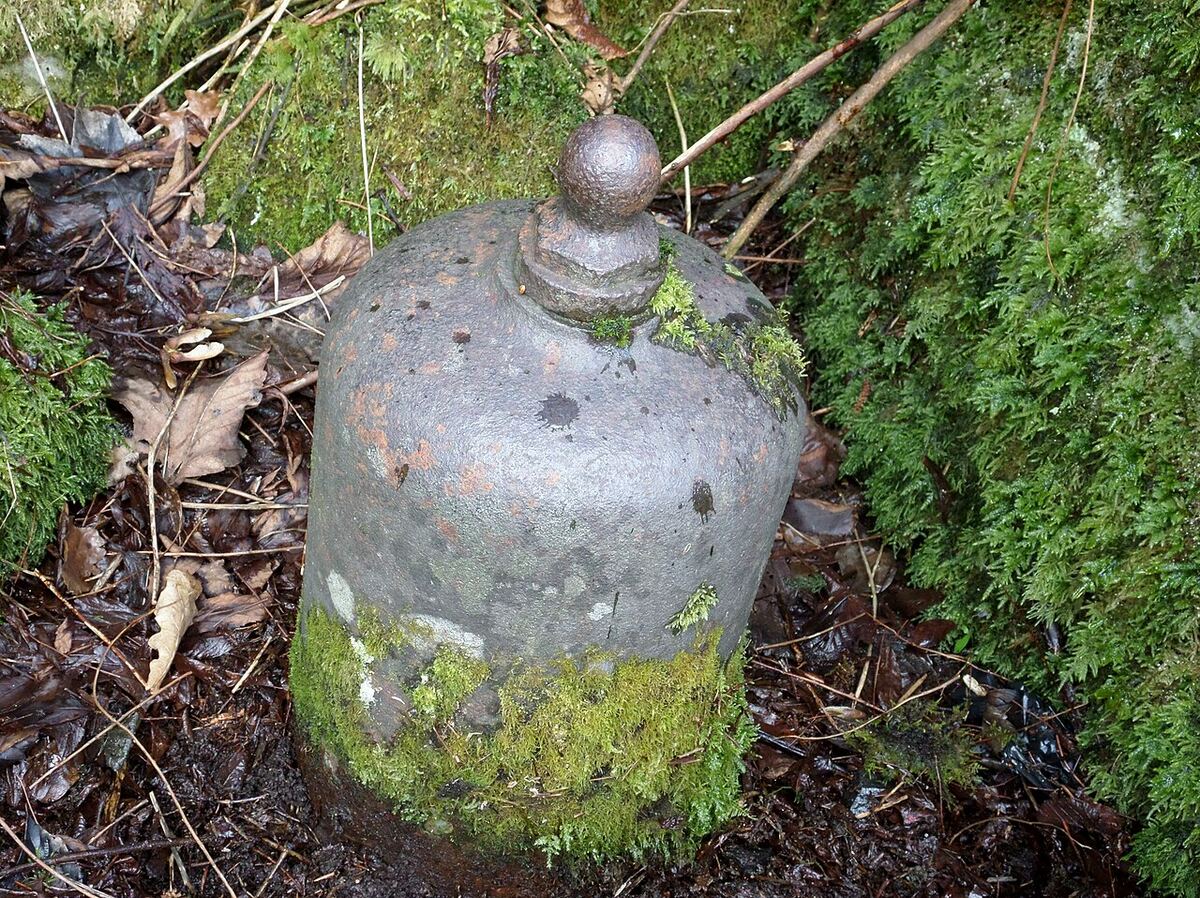
An old cast-iron hydraulic ram pump covered in moss
Plate II The water — a ram pump. No electricity, still lifting.
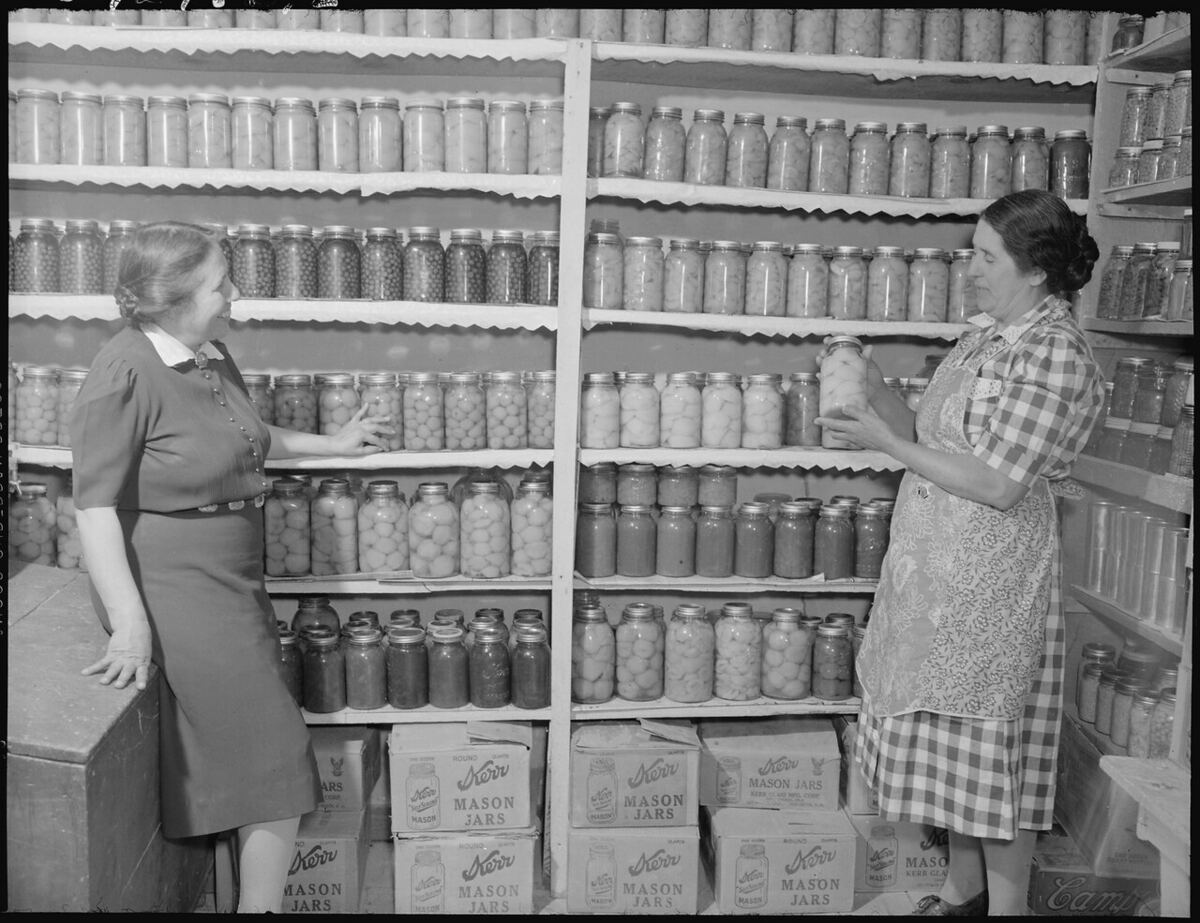
A 1940s pantry with shelves of home-canned jars floor to ceiling
Plate III The keep — a winter’s eating, counted and on the shelf.
Try one number

How much garden actually feeds somebody?

Walt Harmon planned his garden in February with a pencil: twelve square feet of storage-crop garden per person, per day of eating. Everything else is multiplication.

People
4
Days of eating
60
4 × 60 × 12 sq ft=2,880 sq ft planted

Call it 4,320 sq ft inside the fence once the paths take their third. The “average” American garden is 600 — about 5× smaller than this plan. Run the full February Pencil → crops, pounds, and planting dates.

The guide

Five parts. Old way, then the build, then what it won’t do.

Every chapter runs the same shape: how it was done by hand, with the real numbers — then the parts list, the wiring, and the honest limits. No chapter pretends.

Part IThe IronGPS autosteer bolted onto the tractor you already own — a 1952 Ford or a new compact, same build. Centimeter-straight rows for about $1,200 in parts, and the correction signal is free in most states.
Part IIThe WaterFinding water honestly, developing a spring, and moving water without power — including the ram pump, 1840s technology that lifts water uphill forever on the creek's own push. Tanks that report their own level.
Part IIIThe GroundThe garden planned by calories per square foot instead of catalog pictures. Soil probes that text you when it's planting temperature, irrigation that minds itself, a frost alarm that wakes you at 34°.
Part IVThe StockChickens and the home dairy, automated honestly: a coop door that opens on the sun and locks on the dark, water that never freezes, a brooder held to the degree — and a small milker with milk chilled fast, the way Walt's spring box did it with gravity.
Part VThe KeepThe root cellar held at 34° and 92% humidity by a sensor and a vent fan. A pantry that counts itself. Drying and curing by the corrected numbers, not the folklore ones.
Part VIThe LightWhat the farm's nervous system eats: honest power math, solar and battery for the far corners, a generator that starts itself — and mesh text radio that reaches town when even the phone network is down.
Part VIIThe BrainThe farm's own network — Wi-Fi where there's power, long-range radio for the far fields — and one small box every sensor reports to. Alerts reach every phone on the place without touching the internet: the farm keeps talking when the world goes quiet.
Why this exists

The big operations got the robots. You got the catalog.

58% vs 7%

GPS guidance runs on more than half of America’s big row-crop acres — and on as few as 7% of the smallest farms. The technology isn’t the gap. The price gate is.

≈ $1,200

What centimeter-accurate autosteer costs in parts, on the open-source stack the forums quietly proved — against $5,000 to $18,000 at the dealer.

0

Subscriptions, accounts, and clouds in anything this guide teaches. If the company disappears tomorrow, your farm doesn’t notice.

Bent Creek

“Turns out the old man was running automation the whole time. His just didn’t need a password.”

The guide follows Cal Harmon back to his grandfather’s sixty acres — a shop ledger full of numbers, a tractor older than his father, and a dealer quote he laughed at once and never again. Meet the Harmons →

Bent Creek is a story. The numbers are real.
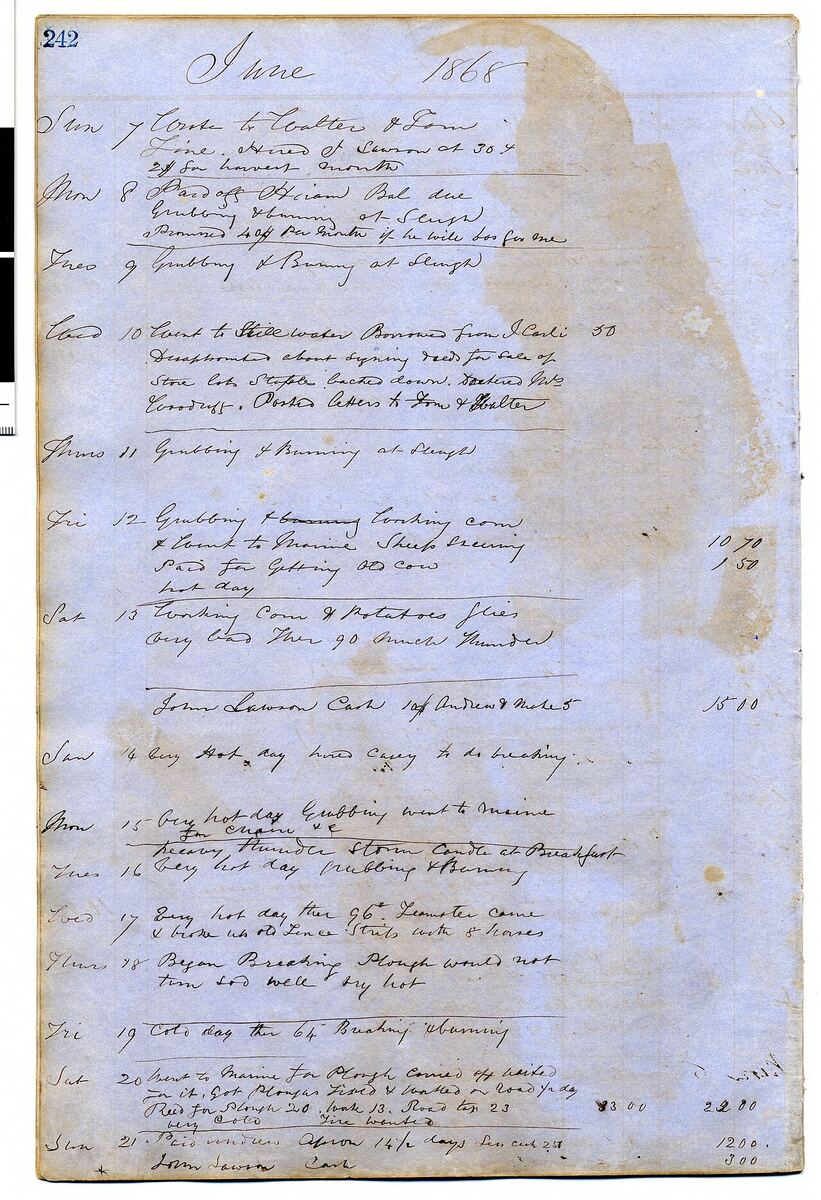
A handwritten farm journal page from June 1868
A Minnesota farm journal, June 1868 — “flies very bad · ther 90 · much thunder.” Walt kept one like it.
The list

The guide is being written. Watch it happen.

Leave an email and get the chapters as they’re finished, the parts lists before launch, and the launch price when it opens.